

25 Facts About Stripchat
-
 Free Room Browsing
 -
 Private Show Decisions
 -
 Mobile & App Access
 -
 Galleries & Recordings
 -
 Search & Filters
 -
 VR Room Support
 -
 Profiles & Fan Clubs
 -
 Privacy Controls
These 25 facts are built around that practical habit: how to avoid wasting time, avoid wasting tokens, and understand the features that make the platform more than a wall of thumbnails.
-
1. Live Timing Is the Product
Stripchat works because a room can change while you are inside it. A recorded clip is finished before you arrive; a live room is still negotiating its shape. Someone tips, the goal moves, a regular jokes with the performer, a private request appears, the topic changes, or the whole room slows down because nobody is participating.
That is why the first click is not the decision. The first minute is.
If the room has no topic, no clear menu, no chat rhythm, and no visible reason to stay, a better thumbnail will not fix it. If the room has a clear pace and a performer who reacts to the people in front of her, even a smaller room can feel better than a crowded one.
-
2. The First Five Minutes Tell You Where You Are
A useful Stripchat habit is to inspect the room before doing anything paid: stream quality, language, room topic, goal progress, private-show price, toy icon, active chat, tip menu, and whether the performer seems present. This is where a strong strip chat separates itself from passive video. The room gives clues. A quiet room with a detailed profile and clear rules may be more promising than a loud room full of repeated requests. A room with no visible structure may be fine for watching, but it is risky for tokens.
-
3. The Player Looks Busy Because the Decisions Are Close Together
The streaming player carries more than video: chat, reactions, follow controls, profile links, private options, goals, tip actions, and sometimes games or interactive-device signals. It can feel dense at first.
That density has a purpose.
Live decisions are fast. If a viewer has to leave the page to check the price, find the menu, follow the performer, or understand the rules, the moment cools off. The best use of the interface is not to press everything. It is to notice what is available before the room pulls attention somewhere else.
-
4. Free Access Is Enough to Judge the Place
Free stripchat access is useful when it is treated as a scouting layer. Public rooms, profile pages, visible previews, categories, basic browsing, and chat visibility where available let a visitor understand the platform before buying tokens.
The boundary is just as useful. Paid actions usually begin when the user wants to tip, unlock media, join private shows, enter group or ticket formats, use paid messages, trigger toys, save recordings where offered, or subscribe to fan-club perks.
That means the free layer should answer one question: is this performer, room, or category worth going deeper into? If the answer is unclear after a few minutes, the smartest move is usually to keep browsing.
-
5. Registration Changes the Site More Than It First Appears
A guest can look around, but a registered user gets a better memory of the platform: follows, favorites, notifications, messaging routes, profile settings, purchase history, and more personal control over what appears next.
The next layer is status. User levels, fan labels, badges, and paid membership perks can change visibility or convenience. Some account perks are about privacy, such as browsing with less exposure. Others are about room behavior, such as recognition in chat or better access to private communication where the performer allows it.
This is one place where the platform feels more like a social marketplace than a simple video site. The longer a user stays, the more the account becomes part of the experience.
-
6. Tokens Are Not Just Money; They Are Room Control
Tokens buy more than content. They buy ways to affect what happens: tips, private minutes, group access, ticket entry, media, games, toy reactions, menu actions, and sometimes recordings.
The mistake is thinking every token spend has the same value. A small public tip can be perfect in a lively room with a clear goal. The same tip may vanish in a crowded room where nobody notices. Private minutes can be worth it with a performer whose rules are clear; they can be frustrating if the viewer enters without checking the menu.
Tokens are best spent after reading the room, not before.
-
8. Stripchat Live Rooms Are Not All Trying to Do the Same Thing
Stripchat live rooms can be chatty, slow, goal-driven, toy-driven, private-focused, media-focused, or almost social in the way regulars talk to each other. That variety is good, but it also means a viewer has to choose the right format instead of expecting every room to perform the same way.
A strip chat live session can beat a static clip because the next minute is not fixed. The room can answer back, shift direction, reward timing, and build pressure around a shared goal. It can also be dull. Live does not automatically mean better; it means the room has a chance to become better while you are there.
-
9. Categories Save Time Only When They Match Intent
Categories are helpful because the catalog is too large for blind scrolling. Performer type, country, language, show style, tags, VR, mobile streams, private availability, and special interests can all narrow the first pass.
But categories are not taste. They get a user into the right neighborhood, not the right room. A category can show who is online; the profile and chat still decide whether the room deserves time.
-
10. Filters Are Where the Site Becomes Practical
Filters matter when the user already knows what would be a deal-breaker. If the private price is too high, filter before opening twenty rooms. If language matters, do not pretend chat will be fun without it. If a user wants a toy-enabled room, a specific country, or a certain show format, filtering saves attention while the right performer is still online.
Good search can also reveal more than thumbnails: usernames, tags, interests, private activities, room topics, and sometimes the exact style of show a performer is offering. That is much more useful than scrolling until everything looks the same.
-
11. Public Chat Is a Fast Quality Check
Public chat is the room's temperature. Read it for thirty seconds.
Are regulars helping newcomers? Is the performer answering naturally? Are people repeating the same request because they ignored the menu? Is the goal understood? Is the room playful, pushy, bored, generous, chaotic, or calm?
Even a silent viewer learns from that. Chat is not only communication; it is evidence.
-
12. Private Messaging Is What Makes Favorites Matter
A favorite performer is not always live. She may post media, schedule a show, answer later, or use messages only with certain users. Private messaging keeps the relationship inside the platform instead of making every visit start from zero.
Access can depend on account type, friend status, membership, token history, or the performer's settings. The useful point is not that messaging exists. The useful point is that a good follow list, notifications, and private messages can turn random browsing into a return path.
-
13. Private Chat and Private Shows Are Different Decisions
Private chat is direct communication. A private show is paid live attention.
That difference matters because private shows run on time, price, rules, and options. Before joining, check the private menu, price per minute, minimum duration, cam-to-cam or voice options where available, whether recording is offered, and what the performer says she will or will not do.
A message can wait. A private timer does not.
-
14. Private Is Where Mistakes Get Expensive
Public rooms let a viewer watch and think. Private shows narrow the attention and start the meter.
That focus can be exactly what someone wants, but it punishes lazy reading. If the profile is empty, the private menu is unclear, the price feels high, or the performer is already ignoring chat, rushing into private is a weak bet. If the room has clear rules, active attention, and the private options match the viewer's intent, the same feature can feel much smoother.
The safest rule is basic: never use private as a shortcut for understanding a performer. Use it after the public room and profile already make sense.
-
15. Group Shows and Ticket Shows Solve Different Problems
A group show is usually about shared paid access while the show is active. A ticket show is closer to an event: entry is paid, the audience is smaller than a public room, and the format feels more planned.
The decision is practical. Choose group when the room is already moving and you want more access without paying for full private attention. Choose ticket when the performer has built a specific event and the entry price makes sense before the show starts. In both cases, read the rules before paying; participation, chat, preview, and timing can vary by room.
-
16. Spy-Style Viewing Is for Cautious Curiosity
Some private-style sessions may allow paid spectator access when the performer and settings permit it. That can be useful for a viewer who wants a closer look without becoming the main participant.
The limitation is built in: spectator access is not control. Price, preview, and participation belong to the room's rules.
-
17. Interactive Toys Make Tips Visible
Interactive toys make a tip feel less abstract. A supported-device icon or menu line can show that certain token amounts trigger a physical response, timed reaction, or goal movement.
This can make a room feel more immediate because everyone sees the result together. It also depends heavily on setup. If the performer is not using the feature well, the icon alone does not save the room. A good toy-enabled room still needs a clear menu, active attention, and a chat that understands the game.
-
18. Games and Reactions Are Small, but They Change Entry Pressure
Not everyone wants to write a direct request in public chat. Games, polls, wheels, reactions, and small paid actions give quieter users a way to participate without making the room revolve around them.
They are not the main reason to use the platform, and some rooms barely need them. Their value is social: they give the crowd something to do between bigger tips, private requests, and goals.
-
19. Fan Clubs Need Freshness, Not Just a Badge
A fan club makes sense after a viewer already likes a performer. Before that, it is just another paid door.
The right question is not "does she have a fan club?" It is "does she use it well?" Look for recent posts, locked media that fits your taste, clear perks, friend-only albums, better messaging, ticket or private advantages, and signs that fans actually get treated differently in the room.
Some fan clubs are mainly galleries. Some are about regular contact. Some are status symbols with little practical value. The profile usually gives enough clues if the user takes time to read it.
-
20. The Profile Is Where a Random Room Becomes a Habit
Thumbnails create the click. Profiles decide whether the click becomes a return visit.
A strong profile can prevent wasted tokens by answering questions before the room gets expensive: schedule, language, country, rules, interests, private menu, fan-club details, media freshness, free photos, locked galleries, tip-menu context, friend albums, and recording or request options where available.
Notify and Add Friend controls matter because live timing is unreliable. A user may miss the show but still return through a notification, feed post, message, or fresh gallery update. That is how a single room becomes part of a routine.
-
22. Models, Users, and Studios Shape the Marketplace
Users watch, chat, tip, buy media, and join paid formats.
Models perform, manage profiles, set rules, price private options, publish media, run fan clubs, and decide how much direct contact they want.
Studios may support multiple performers with scheduling, equipment, account management, or room operations. That is why quality varies. One room feels polished and organized. Another feels casual and personal. Another is mostly a storefront for media and private shows. The tools may be shared, but the style belongs to the person or team running the room.
-
23. Rankings and Contests Are Clues, Not Taste
Popular rooms, StripScore-style signals, points, contests, monthly rankings, and top-model lists can reveal where activity is already flowing. They may reflect consistency, engagement, stream quality, spending, or the ability to keep people in the room.
Use those signals like a map, not a verdict.
A highly ranked room can be too crowded, too fast, or too expensive for what someone wants. A smaller room can be warmer and easier to join. Rankings help with discovery, but the final decision still belongs to the room topic, profile, chat, and price.
-
24. Clean Interface Matters More Than It Sounds
One underrated strength of a good cam interface is what it does not interrupt. Pop-ups, noisy banners, and confusing overlays can kill a live moment faster than a weak thumbnail.
Stripchat's cleaner viewing flow keeps attention on the things a user actually needs: video, chat, menu, profile, private price, follow controls, and media access. The site is still busy because live rooms are busy, but the central move stays clear enough: read the room, then decide.
-
25. Mobile, VR, Recordings, and Privacy Are the Long-Term Test
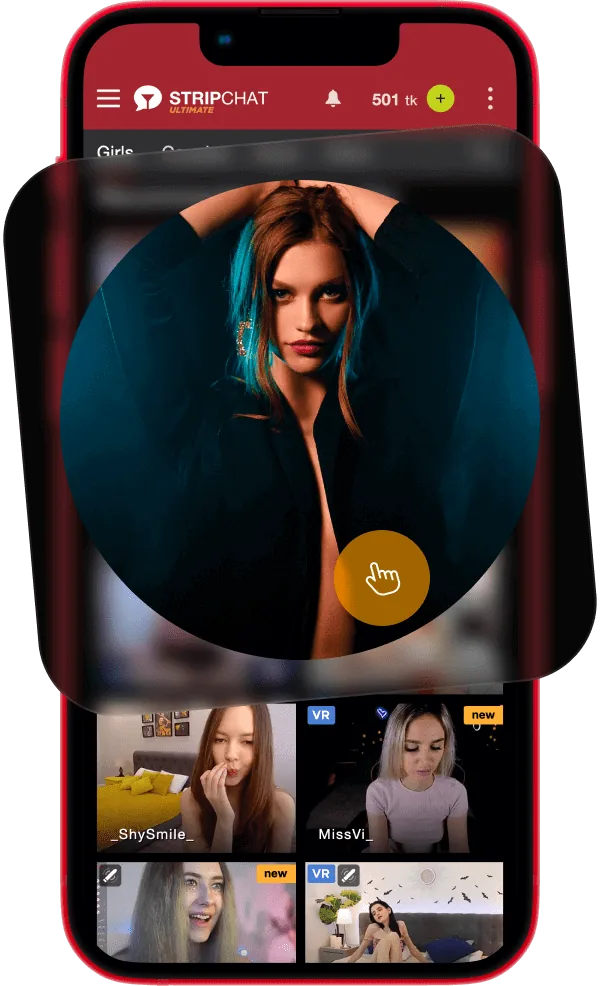
The stripchat app question is really about mobile behavior. A phone visit is often short: check who is live, open favorites, answer a message, follow a performer, see a notification, or join a room before the moment disappears.
A strip chat app experience succeeds when it is fast and clear, not when it pretends to be a desktop. Small screens punish messy controls. Mobile works best for quick returns, messages, and catching a live moment; desktop is still better for long browsing and detailed private decisions.
VR has a narrower job. It can make a room feel closer when the viewer has the right headset and the performer supports the format, but it does not change the basic rules: chat, timing, menu, tokens, and consent still matter.
Recordings also need a boundary. When recording is offered, it can become part of a private collection. When it is not offered, the show stays live and temporary. Do not assume every stream can be saved.
Privacy is the final filter. Use notification controls, profile visibility, strong passwords, two-step security where available, payment caution, support/reporting tools, and account deletion or restore settings carefully. Avoid fake promo pages and do not share personal details in chat. For current rules, paid options, app availability, and account controls, check www.stripchat.com directly rather than trusting old screenshots or copied claims.